Showing posts with label autism. Show all posts

Saturday, October 10, 2015

Would My Son With Severe Autism Disorder Be Happier If I Had Listened to Robison, Ne'eman, Silberman & Other Strangers?


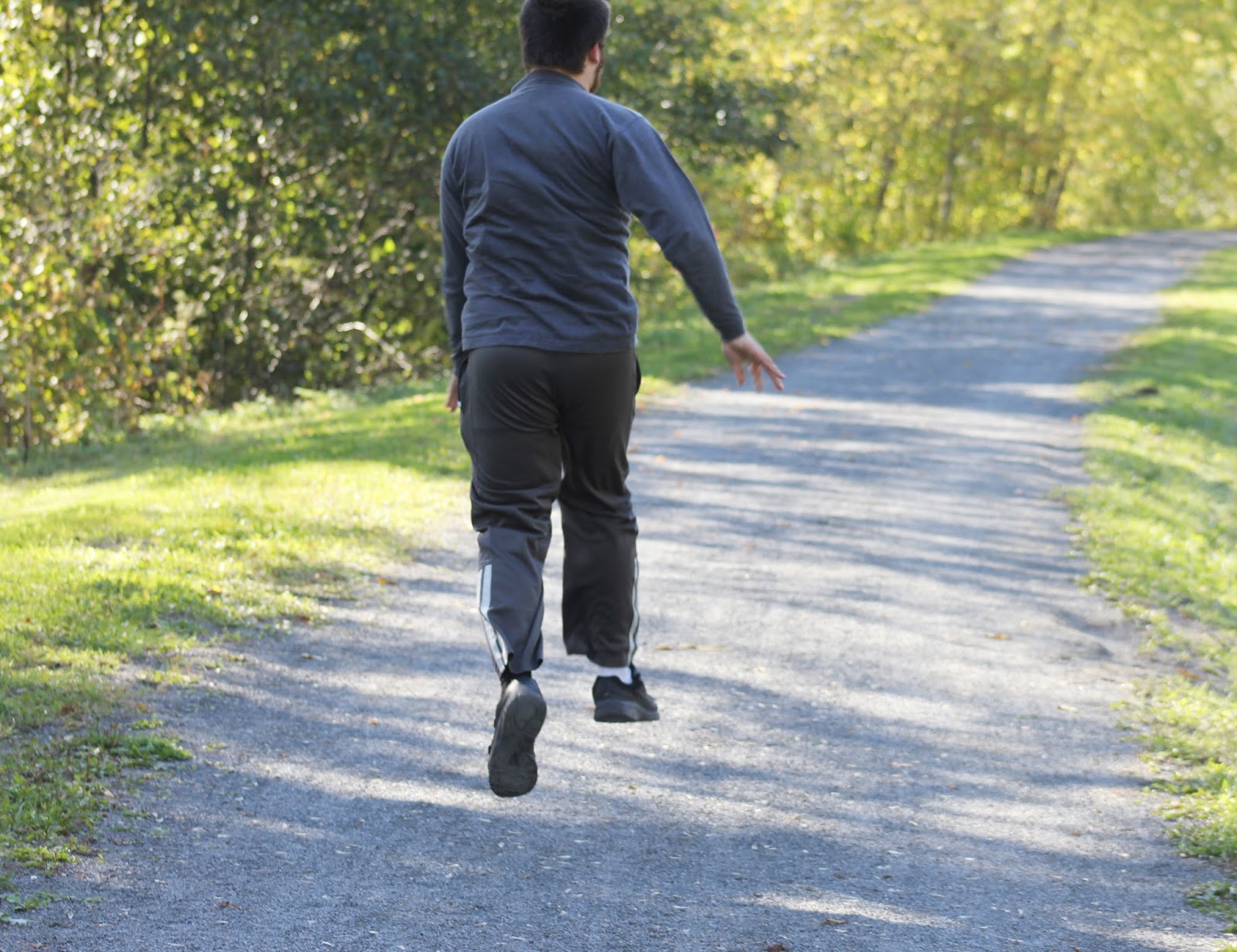
The picture above was taken a few days ago.  I believe anyone can look at the picture and see the happiness on my 19 year old severely autistic son Conor's face.   What is truly remarkable is that his happiness has been a constant feature of his life despite the very severe challenges that he faces with severe autism, intellectual disability (like 50% of persons with autism), epileptic seizures, life threatening adverse reactions to some seizure meds and self injurious behaviors.  What is perhaps even more remarkable is that Conor's happiness has been a constant in his life even without his parents listening to or giving any weight whatsoever to the opinions of self annointed autism experts like John Elder Robison, Ari Ne'eman, Shannon Des Roches Rosa, Jim Sinclair, Michelle Dawson, Steve Silberman or any of the other persons who attack parents for speaking honestly about their child's severe autism disorders and who actually support efforts to find cures and treatment for their autism disorders. 

The following are pictures of my happy son Conor thoughout his life although not in chronological order. We didn't follow or need the advice of the army of neurodiversity activists who are actually arrogant enough to believe that they know better than parents how to raise, care for and love their own children.  I have never hidden my disdain for their attempts to impose their so called self advocacy on other people's children. When I see my son who struggles with far more severe challenges than the self advocates who want to rule the autism world and yet is still happy and loved by those who know him I am very glad that I do not subscribe to their ideology. 


Wednesday, October 07, 2015

Autism, Politics and the Return of the Run Jump Fly Boy


I have been engaged in autism advocacy during the recent Canadian federal election.  I do so at the federal level for the sole purpose of trying to ensure that all Canadians with serious autism disorders have access to Applied Behavior Analysis for treatment of their core autism symptoms.  

I have advocated for over 15 years with other parents and with politicians like the late Fredericton MP Andy Scott who with Nova Scotia MP Peter Stoffer did manage to put autism on the Canadian political map with their joint private members' motion.  The motion set out some directions for a federal National Autism Strategy, directions which have been totally ignored by the current Harper Conservative government and by their pet autism charity Autism Canada which has never contributed to the struggle by parents from BC to Atlantic Canada who fought for, and continue to fight for Medicare coverage of evidence based Applied Behaviour Analysis for those with autism disorders. Watching the Harper Conservatives and their charity Autism Canada continue to ignore the only science based autism treatment for autism can be discouraging but not defeating.

As long as I can have daily adventures with my son Conor, now 19, I will never quit, I will never stop fighting for the right things to be done to actually help people who actually suffer from autism disorders and related conditions.  Conor has had some serious health issues in recent years with the full blooming of his seizure issues and dangerous adverse reactions to some seizure meds.  Today though as we walked Fredericton's North Riverfront Trail that we have walked so often I saw something I hadn't seen in a while ... the Run Jump Fly Boy was back.  He flew down the trail jumping into the air, both feet leaving the ground and enjoying life to the max.  Then he sat on a bench with Dad for a few minutes soaking in the fresh fall air.  And it made his old Dad and grizzled autism advocate feel good too ... very, very good and more determined then ever to continue fighting for meaningful, evidence based treatment for all persons suffering from autism disorders and related conditions.

Wednesday, September 30, 2015

Wow! Federal NDP Replies to My Inquiry This Morning Re Negotiations to Include ABA for Autism under Medicare


I confess I was surprised  to get a same day response this evening from the federal NDP to my question this morning addressed to party leader Thomas Mulcair.  The federal NDP committed to continuing the efforts which they have in fact made over the years in Parliament towards creation of an EFFECTIVE national autism strategy.   

To Canada's  federal NDP and leader Thomas Mulcair I say thank you.
8:20 PM (9 minutes ago)

to me
Dear Mr. Doherty:

Thank you for providing such a helpful summary of your discussions with us on this important issue.

New Democrats have a proven record of working with the autism activist community toward increasing awareness and supports for those living with autism spectrum disorders. NDP MPs have, over many years, proposed bills and motions in Parliament toward the creation of an effective national autism strategy. We are committed to continuing that effort as government.

The success of any national autism strategy that includes medically recognized treatments such as Applied Behavioural Analysis and Intensive Behavioural Intervention, depends on the commitment and involvement of provincial and territorial, as well as federal governments. At the moment, for lack of federal leadership, the levels of support vary widely across the country.

Over the past decade, the Harper government has consciously chosen to abandon its leadership role in Canada’s health system and has turned its back on the federal-provincial-territorial cooperation necessary to maintain and improve our public system – including measures to better address autism needs. Stephen Harper has not only refused to renew the national health accord but has unilaterally cut billions of dollars from future provincial/territorial health transfers.

Under Tom Mulcair, an NDP government will live up to its national leadership role and move quickly to re-establish a collaborative working relationship with provincial and territorial governments. A New Democratic autism strategy would be forged within this renewed negotiation and would establish, with provincial and territorial cooperation, access to treatment across Canada.


Canada’s New Democrats | Le NPD du Canada
Ready for change | Ensemble pour le changement

Tuesday, September 22, 2015

Join Fredericton Green Candidate Mary Lou Babineau In Signing the Medicare for Autism Now! Petition

                          https://www.change.org/p/government-of-canada-medicare-for-autism-now

Statement on Medicare for Autism now!

While it is true that the tremendous advancements in medicine and technology have granted us longer lives, there are still distressing developments: for instance, the increasing number of illnesses and syndromes appearing and affecting our children. The rates of attention deficit disorder, autism and others are on the rise.
The Canada Health Act has five general principles – public administration, comprehensiveness, universality, portability, and accessibility, but the federal government has not been applying them to support greater national consistency and equal quality of services from coast to coast. In addition, the federal government has failed to develop a national strategy to address such challenges as autism and dementia.
I recognize that it is vital to ensure that the federal government provides funding as necessary and I also think that this funding needs to be accompanied by strong federal government leadership. I pledge to follow through on our commitment to a science-based national Mental Health Strategy and this is something I will advocate for in the amendment process for a new and improved Canada Health Act. 
Sincerely,
Mary Lou Babineau
Green Party Candidate for Fredericton
Join Mary Lou Babineau in signing the Medicare for Autism Now! petition 

Saturday, September 19, 2015

Fredericton NDP Sharon Scott-Levesque Supports ABA Coverage For Autism Under A New Canada Health Act Accord


Hello Harold,

I wish to thank you for your message regarding the inclusion of Applied Behaviour Analysis in Medicare. As you have noted, this is an issue affecting a growing number of Canadian families, and I understand the high costs of treatment are of great concern.

As you know the Canada Health Act requires provinces to cover medically necessary services without naming any particular procedure.  This means that the decision on what to cover has been left up to the provinces, creating a patchwork system where some provinces provide coverage for Applied Behavioural Analysis and others do not.
-
I recognize that this disparity creates a hardship for families and myself and the NDP are interested in working with the provinces to see this disparity eliminated. This is definitely a subject we will raise with the provinces when we negotiate a new Health Accord.

I do support this change and hope we can work together in the future.

Regards,
Sharon Scott- Levesque RN
Fredericton NDP Candidate

Thank you Sharon Scott-Levesque for supporting the inclusion of ABA for autism treatment in a new Canada Health Act accord.  Harold Doherty

Thursday, September 17, 2015

Research Review: Autism Spectrum Disorder and Epilepsy: Two Sides of the Same Coin?


My son Conor, now 19 1/2 years old, stimming, a recognized feature 
of autism spectrum disorder, in this older picture.


Conor, a couple of years ago, at the Chalmers Hospital 
intensive care unit, where he was being treated for  rhabdomyolisis, 
a serious adverse  reaction to his epilepsy seizure meds at that time. 


As the father of a son with autism spectrum disorder, intellectuall disability and epilepsy I have asked myself if these conditions are in fact related. It has been my non evidence based belief, based solely on observing, caring for and loving my son for almost 20 years that he has one condtion that affects him and causes his deficits.

I have attached a copy of the abstract of the reseach review Autism Spectrum Disorder and Epilepsy: Two Sides of the Same Coin?  I  hope to obtain a copy of the study itself and more importantly I hope that the study encourages more study and discussion by neurological researchers and professionals of this subject.


Autism Spectrum Disorder and Epilepsy: Two Sides of the Same Coin?

Abstract
Autism spectrum disorders and epilepsy commonly co-occur. In this review, we consider some unresolved questions regarding the temporal relationship, causal mechanisms, and clinical stratification of this comorbidity, highlighting throughout the interplay between autism spectrum disorder, epilepsy, and intellectual disability. We present data on the clinical characterization of children with autism spectrum disorder and epilepsy, discussing distinctive phenotypes in children with this comorbidity. Although some distinctive clinical features emerge, this comorbidity also informs convergent pathways in genetic variants that cause synaptic dysfunction. We then move beyond diagnostic categorization and consider the extent to which electrophysiology as a quantitative biomarker may help guide efforts in clinical stratification and outcome prediction. Epilepsy, and atypical electrophysiological patterns, in autism spectrum disorder may inform the definition of biologically meaningful subgroups within the spectrum that, in turn, can shed light on potential targets for intervention.
© The Author(s) 2015.

KEYWORDS:
autism spectrum disorder; biomarkers; electroencephalography; epilepsy; intellectual disability


Jeste SS1, Tuchman R2. J Child Neurol. 2015 Sep 14. pii: 0883073815601501. [Epub ahead of print]

Wednesday, September 16, 2015

Fredericton Green Mary Lou Babineau: A Resounding YES!!! to Including Science Based ABA/IBI Autism Treatment Under Medicare


"Dear Harold,

It was wonderful to speak with you, too! This is an issue that is so critical to me and to my family.

Please post my response as a resounding YES!!!

Hope to see you again soon,

Mary Lou"

The One in 68 campaign of Medicare for Autism Now! is well under way.  Candidates in various ridings are being asked to provide clear answers to the "One in 68 QUESTION": "As a member of parliament, will you introduce or support legislation amending the Canada Health Act to include science-based autism treatment (ABA/IBI) under Medicare"?  The One in 68 refers to autism rates as estimated by credible US authorities.  Our federal government has been made aware over the past decade and more of the need to include science based ABA/IBI under medicare.  Some Canadian provinces including New Brunswick have provided ABA treatment for autism in various degrees,  Others including neighboring Nova Scotia have provided minimal services for autism. 

I hope to speak with all candidates in the Fredericton riding to discuss autism generally and to ask their response to the One in 68 Question.  It was a plesasure to meet with Mary Lou Babineau of the Green Party.  As her answer above indicates she has a real, family based interest in the One in 68 question.  We had a great discussion about autism generally and  how it has affected those close to us. and the need for assistance for those affected by autism. Her very sincere interest in autism is reflected in her answer:

Thank you Mary Lou Babineau for your  resounding YES!!! to inclusion of science-based autism treatment (ABA/IBI) under Medicare.

Saturday, August 29, 2015

Canada's REAL National Autism Strategy - Shawn Murphy's Bill C-304


There is currently a group receiving money from the Harper government, purportedly to develop a "National Autism Strategy". It is an election year handout from a government which has consistently opposed a meaningful role for the federal government in ensuring that autistic children and adults in Canada receive the treatment and services they need to live meaningful, healthy lives.  

Parents in Canada have fought for many years with varying levels of success for government coverage of evidence based ABA treatment for autism disorders.  In 2006 former Charlottetown MP Shawn Murphy articulated a REAL National Autism Strategy when he introduced Bill C-304 which was defeated by a Harper Conservative-Bloc Quebecois coalition vote.   


L: Former Charlottetown MP Shawn Murphy 
C: NB Senator Jim Munson 
R: Late Fredericton MP Andy Scott
3 Strong Advocates for a National Autism Strategy

Federal politiicans and subservient autism charities should stop pretending and stop yakking about a National Autism Strategy if they do not intend to adopt the REAL National Autism Strategy proposed in 2006 in Shawn Murhpy's Bill C-304:

C-304

First Session, Thirty-ninth Parliament,
55 Elizabeth II, 2006

HOUSE OF COMMONS OF CANADA

BILL C-304
_____________________________________________
FIRST READING, MAY 17, 2006
_____________________________________________

MR. MURPHY (Charlottetown)

1st Session, 39th Parliament,
55 Elizabeth II, 2006

HOUSE OF COMMONS OF CANADA

BILL C-304

An Act to provide for the development of a
national strategy for the treatment of
autism and to amend the Canada Health
Act

Her Majesty, by and with the advice and
consent of the Senate and House of Commons
of Canada, enacts as follows:

SHORT TITLE

1. This Act may be cited as the National
Strategy for the Treatment of Autism Act.


NATIONAL CONFERENCE

2. The Minister of Health shall, before
December 31, 2006, convene a conference of
all provincial and territorial ministers responsible
for health for the purpose of working
together to develop a national strategy for the
treatment of autism. The Minister shall, before
December 31, 2007, table a report in both
Houses of Parliament specifying a plan of action
developed in collaboration with the provincial
and territorial ministers for the purpose of
implementing that strategy.

AMENDMENTS TO THE CANADA
HEALTH ACT

3. Section 2 of the Canada Health Act is
renumbered as subsection 2(1) and is
amended by adding the following:

(2) For the purposes of this Act, services
that are medically necessary or required under
this Act include Applied Behavioural Analysis
(ABA) and Intensive Behavioural Intervention
(IBI) for persons suffering from Autism Spectrum
Disorder.

Sunday, August 23, 2015

Autism Disorder AND Epilepsy (But NO SUDEP!!!) at 6:05 AM


I was awake at 5:30 this morning, had some breakfast, and was enjoying a mug (not a cup, a mug) of coffee when I noticed that the time was 6:05 am.  Startled I jumped up to see if everything was OK with my son Conor.  Conor suffers from severe autism disorder and epileptic seizures, including half a dozen grand mal or tonic clonic seizures, since last Christmas. One feature of Conor's autism disorder is that he gets up at precisely 6:01 a.m. every morning.  He often wakes up before 6:01 but stays in bed until that time and then gets up.  Until this morning I can not recall the last time he might have slept in past 6:01.  I was worried when he had not come out of his room by 6:05. 

I worried because of the epileptic seizures from which he suffers. (My fear was brief; gone as soon as I ran into his room and saw him stirring)  Some who suffer from such seizures have been known to die in their sleep with no clear explanation, a condition called SUDEP, sudden unexpected death in epilepsy.  A special program  called The Center for SUDEP Research which will be a "Center Without Walls for Collaborative Research in the Epilepsies" has been  established in the US by the National Institute for Neurological Disorders and Stroke (NINDS)  to tackle SUDEP.


 A NINDS press release provides an overview of SUDEP and a brief description of the plan of action:

"While the causes of SUDEP are currently unclear, mounting evidence points to seizures that induce structural defects and/or brain circuit malfunction in areas that control cardiovascular and/or respiratory functions. Using a multidisciplinary approach, scientists and clinicians participating in the new center without walls hope to understand what causes SUDEP and how can it be prevented.
One team of researchers will identify genes, predisposition to neurochemical imbalances, and structural irregularities in the brain that may increase the risk of cardiac arrhythmias and respiratory disruptions in epilepsy. In parallel, another team will develop a sophisticated repository for storing and sharing genetic, tissue and clinical data samples collected from 400 study participants with epilepsy per year for three years at each of 10 clinical sites across the country. This team will also analyze the collected samples to identify risk factors for SUDEP."
Some may question why I would have been apprehensive about the possibility of SUDEP when my son did not come out of his room at 6:01 am.  The primary reason is that his adherence to the 6:01 routine was until this morning  almost without exception, a feature of his severe autism disorder.  The second reason is that a good friend who was, and is, very active in autism advocacy in New Brunswick lost her adult son to SUDEP. In that case her son appeared to be sleeping in past his usual time just as my son did this morning ordinarily a blessing for both parent and son. Her son, like mine, suffered from both autism and seizures, and was not sleeping in, tragically he had passed in his sleep.
As the parent of a son with severe autism who suffers from epileptic seizures I can not take any break from routine for granted, even very thankfully as it turned out this morning, one resulting from a few minutes of extra sleep. 

Tuesday, August 04, 2015

Surprise! A Meaningful Autism Disorder Study Provides Evidence of Autism's Harsh Realities


Autism is a disorder which, far beyond its core diagnostic criteria, brings with it higher than average medical conditions and psychiatric illnesses.   The health status of adults on the autism spectrum study confirms the harsh realities of autism disorders and should not be ignored or lightly dismissed by academics, mainstream media or professional "self" advocates who, despite their very high functioning levels, insist on burying the harsh realities of the severely autistic, like my son, in the mounds of autism ignorance they dump on the public landscape. As the study indicates autism disorders mean significantly higher than average psychiatric illnesses and medical conditions.  Not much joy to be found in those realities.This study though should be helpful in bringing a much needed dose of autism realities to the  public understanding of autism disorders and the harsh realities that accompany them.

The health status of adults on the autism spectrum

  1. Lisa A Croen1
  2. Ousseny Zerbo1
  3. Yinge Qian1
  4. Maria L Massolo1
  5. Steve Rich2
  6. Stephen Sidney1
  7. Clarissa Kripke3
  1. 1Kaiser Permanente Northern California—Oakland, USA
  2. 2Kaiser Permanente Northern California—Santa Rosa, USA
  3. 3University of California, San Francisco, USA
  1. Lisa A Croen, Division of Research, Kaiser Permanente Northern California—Oakland, 2000 Broadway, Oakland, CA 94612, USA. Email: Lisa.A.Croen@kp.org

Abstract

Compared to the general pediatric population, children with autism have higher rates of co-occurring medical and psychiatric illnesses, yet very little is known about the general health status of adults with autism. The objective of this study was to describe the frequency of psychiatric and medical conditions among a large, diverse, insured population of adults with autism in the United States. Participants were adult members of Kaiser Permanente Northern California enrolled from 2008 to 2012. Autism spectrum disorder cases (N = 1507) were adults with autism spectrum disorder diagnoses (International Classification of Diseases-9-Clinical Modification codes 299.0, 299.8, 299.9) recorded in medical records on at least two separate occasions. Controls (N = 15,070) were adults without any autism spectrum disorder diagnoses sampled at a 10:1 ratio and frequency matched to cases on sex and age. Adults with autism had significantly increased rates of all major psychiatric disorders including depression, anxiety, bipolar disorder, obsessive–compulsive disorder, schizophrenia, and suicide attempts. Nearly all medical conditions were significantly more common in adults with autism, including immune conditions, gastrointestinal and sleep disorders, seizure, obesity, dyslipidemia, hypertension, and diabetes. Rarer conditions, such as stroke and Parkinson’s disease, were also significantly more common among adults with autism. Future research is needed to understand the social, healthcare access, and biological factors underlying these observations.

Monday, June 29, 2015

Conor After Another Seizure


Conor has been on  a good run for the previous 7-10 days and today was pretty much the same until 6:15 this evening when we heard a loud thump uupstairs.  His mom ran upstairs and screamed for help when she saw him convulsing on the floor with thick fluids oozing out of his mouth.  We had to keep him on his side with his head away from any corners or hard objects.   This was Conor's 4th grand mal seizure since Christmas. Conor's convulsions did not appear to last too long compared to some previous seizures ..  approximately 2 minutes.  Stilll 2 minutes of your son in convulsions is enough to scare you all over again. Conor also recovered quite well. The picture above was taken 45 minutes after the seizure and while he was still a bit groggy he was regaining alertness, speech and walking ability.  He is now sleeping soundly exhausted from another seizure.  I just checked and his head was on the side on his pillow  and he was breathing loudly but clearly.  Dad is starting to relax ... a little bit.

Saturday, June 27, 2015

Medicare for Autism NOW! Campaign Kick Off Today!


Vancouver, BC – Today, the Medicare for autism Now! Society (“MFAN”), a non-partisan, not-for-profit, all volunteer organization, announced the launch of its nation-wide One in 68 campaign. “We will be holding a Campaign Kick-off this Saturday, June 27th, at Douglas College, New Westminster, between 10:00 am and 2:00 pm,” said MFAN director and campaign manager, Dr. Sherri Brown, “It will outline the rationale for our initiative and lay-out our action and advocacy agenda leading to the federal election on October 19th, less than four months away.”

The MFAN campaign takes its name from the fact that, currently in North America, one in 68 children are being diagnosed with Autism Spectrum Disorder (ASD). “There is a national epidemic of staggering proportion happening in Canada,” said MFAN director, Jean Lewis, “And, unlike the situation in the United States, our federal government has to date failed miserably to demonstrate long overdue leadership in addressing this major and growing national health care challenge.”

The One in 68 campaign will seek firm commitments from those who wish to hold elected office in Ottawa to vote in favour of necessary changes to the Canada Health Act so that persons living with ASD across our country will have science-based treatment for their core health need covered by Medicare. MFAN intends to focus its efforts on  a limited number of highly competitive electoral districts in various parts of Canada. In Metro Vancouver, these include: Burnaby North-Seymour, Coquitlam-Port Coquitlam, Delta, Surrey Centre, Surrey-Newton, Vancouver Centre and Vancouver Quadra.
  
For further information, contact Jean Lewis at 604-290-5737 or at jean.lewis@telus.net.

Tuesday, June 02, 2015

Autism, Intellectual Disability and Seizures, When Together, Constitute ONE DISORDER


In the picture above, taken 3 years ago my son erupted in sudden self injurious behavior smashing himself violently in the head  after he had been on the swing at his old grade school, Nashwaaksis Memorial School; a split second after he had been very smiling and happy. I captured the image because it was a series of pictures taken with an "athletic" setting on my Canon camera to capture his until then joyful, smiling activity on the swing.  In the commentary below from my January 19, 2008 commentary on Facing Autism in New Brunswick, "Autism Disorder and Impulse Control" I commented on a variation of such sudden violent activity when moments of joyful interaction turn harmful for Mom or Dad.   Seven years after I speculated that my son's sudden impulses of violence towards himself or us were a reflection of seizure activities in his brain he has suffered a number of obvious tonic-clonic or gran mal seizures and he has been on a variety of seizure medications for almost 3 years.  

I also  know now that my belief in an Autism Knowledge Revolution was premature ... very, very premature.  Despite much higher rates of epileptic seizures among persons with autism than among the general population ....  as much as 30% compared to as little as 1% based on sources I have read ...  it still does not seemed to have dawned on the autism research community that "co-morbidity: which seems to imply "coincidence" to this humble layperson are aspects of one neurological disorder not two co-morbid disorders at least for those who have features of both and that the presence both of these alleged "co-morbidities" is even greater among those who, like my son, also suffer from intellectual disability.

This humble layperson strongly recommends and begs the "autism research community" to re-focus its priorities and shift away from trivial, puerile aspects of autism, stop calling it a condition, stop equating autistic with savant and start focusing more on finding causes, treatments and yes, cures, for the debilitating trifecta of autism, intellectual disability and epilepsy which this humble Dad would like to inform you is in fact ONE DISORDER not THREE separate co-morbid conditions.  I realize you can snicker and snort as professionals in the field and dismiss my comments but if you do so you are dismissing the 24/7 observations, over a period of 19+ years  of a person who loves the subject being studied and so pays close attention ... a parent. Get serious about autism, intellectual disability and epilepsy or quit pretending you care.
Autism News and Opinion

SATURDAY, JANUARY 19, 2008


Autism Disorder and Impulse Control

There are many puzzling features of autism. Hence the puzzle symbol for autism. Some of the mystery is being removed as our daily news brings us reports of new studies mapping the genetic and biological basis of autism. But even those areas are just beginning to be explored and while we are living through an Autism Knowledge Revolution there is much which remains unexplained and mysterious. Impulse control is one of those unexplained mysteries.

Even 10 years after Conor was diagnosed with Autism Disorder I am still startled by the impulses which suddenly seize Conor, and I mean seize literally, turning gentle acts of affection into potentially injurious and even dangerous acts of violence. Conor is very affectionate, tactile and observant. He likes to place his hands on either side of Dad's scruffy bearded face and study my face. But some times, suddenly, his hands dig painfully into my face. Sometimes he will grab my throat. Conor has also suddenly grabbed his mother by the hair and snapped her head and neck. Walking arm in arm downtown Fredericton, as we often do on weekends, he will occasionally grab by arm forcefully.

We have never thought for even a second that Conor intentionally tries to injure. I do not believe he has control during these instances. An impulse appears to overcome him suddenly and often is not preceded by any apparent triggering environmental stimuli. Conor simply appears physically seized by a powerful impulse.

I do not know what causes these seizure like impulses. I realize that my description of these events may sound like they are epileptic seizures and Conor's pediatrician may well confirm that lay person's guess. I know that there are many articles commenting on comorbidity of autism and epilepsy. Putting a new name on them may well be helpful in leading to other literature and understanding but I suspect that the behavior itself when it happens will always be startling and mysterious.

Monday, June 01, 2015

New Brunswick and Ontario Fail to Address Needs of Adults with Autism Disorders and their Families


Image from a CBC  British Columbia article in December 2014 Reporting on 
Ground Breaking of  Construction on the $28-million Pacific Autism Family Centre 
in Richmond, B.C..(Pacific Autism Family Centre)

British Columbia, Ontario and New Brunswick are 3 Canadian Provinces at different points on the adult autism care and treatment "spectrum".  British Columbia leads with the beginning of a center and network to provide adult autism resources for  BC autism adults and their families.  Ontario and New Brunswick, on the other hand, have no systemic, credible approach to the provision of adult autism treatment and residential care for the many with autism disorders who require treatment and permanent residential care.  

New Brunswick, which made substantial gains in early intervention and some gains in our schools, has spent money sending severely autistic adults out of province to Maine with some being housed permanently at the psychiatric hospital in Campbellton far from most families and some in general hospital wards.  In 2010 NB  Clinical Psychologist, Professor Emeritus and autism expert Paul McDonnell recommended a network system with a center to provide treatment for adults and permanent residential care for those with severe, 24/7 care requirements.  The center would provide professional expertise and oversight that could be accessed by autism facilities and assisted living arrangements in communities around the province. The McDonnell network was endorsed in the NDP platform in the 2014 election but has not gained ground in the consciousness of the NB government which continues to house autistic adults in hospitals in New Brunswick and ship our autistic adults elsewhere.

In Ontario CBC reports in  Autistic adult daughter leaves mom exhausted with nowhere to turn on the lack of support for an exhausted mother of an adult autistic daughter with nowhere to go when she soon ages out of the education system. Group homes have long waiting lists and services are prohibitively expensive.  The problem, as reported by CBC, is prevalent across Canada as governments have failed to address the consequences of the "close the institutions" movement that did result in closing institutions with no adequate replacements:


"Groups that advocate for the disabled said the entire country was unprepared for the increasing number of disabled adults needing community care, since institutions closed years ago.
They told Go Public that governments did not take into account the stress that closing institutions would create on working family members forced to take over.
"It's not sustainable. And so we need a new social contract on this. Already … 25 per cent of Canadians are now providing care to a family member or close friend," said Michael Bach, executive vice-president of the Canadian Association for Community Living, citing federal statistics."
In terms of actual gains New Brunswick, despite early autism success and the demonstrated need for autism services, has operated with a mess of arrangements justified under cliches of community and inclusion without exploring alternative, modern systemic answers that could provide decent treatment, care and lives for severely autistic NB adults.  The fundamental principles advanced by Paul McDonnell in 2010 are similar to what is beginning to happen in British Columbia as described on a CBC article: $28M autism centre supporting families breaks ground in Richmond, B.C.    The description on the CBC site indicates that the network would provide comprehensive support to children, adults and families affected by autism with a center and facilities around the province although it does not indicate that residential care for those with severe autism will be provided.

New Brunswick has made substantial gains in Early Intervention and significant though less comprehensive gains in our schools.  The biggest obstacle to development of a comprehensive adul autism care plan in NB has been the reliance on community and autism cliches and close ties between government and community charities which fight against any attempt to develop evidence based exceptions to their philosophical "community" and "inclusion" beliefs. 

In NB governments and "community" charities simply ignore and refuse to acknowledge the severely autistic adults living in the psychiatric hospital in Campbellton, general hospital wards or group homes lacking autism trained staff and professional oversight.  They refuse to acknowledge that the specialized care and treatment needed to address adult autism needs does not exist in the communities. They simply refuse to acknowledge that an expertise based center for adult autism treatment and for those most severely affected by autism disorder .. permanent residential care .. is needed. 

Autistic adults in NB, which now includes my son Conor, have been, and will be, harmed by the false belief that magical communities solve all problems. They don't and autistic adults pay the price in NB as they do in Ontario.

Saturday, May 16, 2015

Conor Enjoyed Nature With An Osprey Day In His "Back Yard" The North Riverfront Trail, Fredericton

Conor embraced his right to enjoy nature a couple of times today (so far) with fun walking and running in his "back yard" Fredericton's North Riverfront Trail. He also took time to throw some rocks into the St. John River along the way and check out the neighbors, the Osprey family, as they prepared their nest for some new arrivals. It may not be an evidence based treatment for autism but getting outdoors in nature makes his Dad feel much better and I believe it helps Conor too.